This Military Service Page was created/owned by
Robert Guttman-Family
to remember
Guttman, Paul Dennis, PhoM2c.
If you knew or served with this Sailor and have additional information or photos to support this Page, please leave a message for the Page Administrator(s) HERE.
My father was a U.S. Navy Seabee who served as a U.S. Navy motion-picture Combat Cameraman in the Pacific during World War II. He shot a lot of the combat footage still seen today in documentaries on the Pacific War.
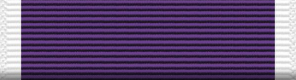
It was not a safe occupation. My father was wounded several times and was finally invalided home from a U.S. Army Hospital in Okinawa. He was subsequently awarded the Purple Heart with Gold Star.
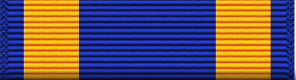
He took part in combat flying from U.S. Navy carriers and seaplanes as well as in U.S. Army B-29s, for which he was awarded the DFC as well as the Air Medal with Star.
He landed under fire with the Marines on New Guinea, Kwajalein, Enewetok, Saipan, Guam, Pelelieu, Iwo Jima, and Okinawa. He also served on occasion with U.S. Army infantry units.
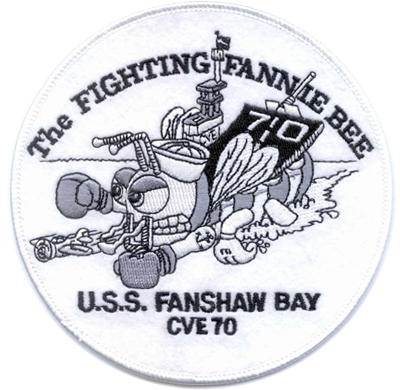
He was present on the USS Fanshaw Bay in the surface action off Samar Island during the Battle of Leyte Gulf.
He was in one of the carrier planes that sank the Japanesse battleship Yamato.
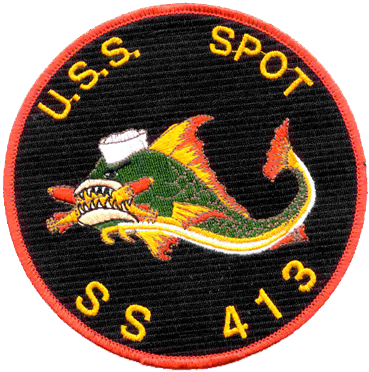
He also completed a combat patrol in a submarine, USS Spot (SS-413).
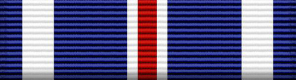
He was probably the only Seabee entitled to wear the Distinguished Flying Cross and the Submarine Combat Patrol Pin. He was awarded the Silver Star for service during the Invasion of Saipan.
Many people have seen the dramatic combat footage shot during the Pacific War but never stopped to consider who it was who actually photographed it. My father was one of that small, unsung and extremely brave group whose job it was to go into combat armed with a motion picture camera. He did that on numerous occasions under extremely hazardous combat conditions on land, at sea, in the air, as well as under the sea, all the way across the Pacific from from New Guinea to Okinawa.
Technically he worked for a special unit commanded by Captain Edward Steichen. Usually, however, he actually worked more of less independently, with little or no officer supervision. The reason was that, despite the fact that he was only a petty officer, he operated under orders coming from the highest level (CINCPAC).
During all that time my father was technically serving on "temporary detached duty" from his original unit, the 59th Seabee Battalion, which he never actually rejoined before being demobilized in October 1945. However, he was always extremely proud to have been a Seabee, a fact which often served him in good stead during his subsequent civilian career as an engineer.